
|
|
History
THE HISTORY OF
English Mountain
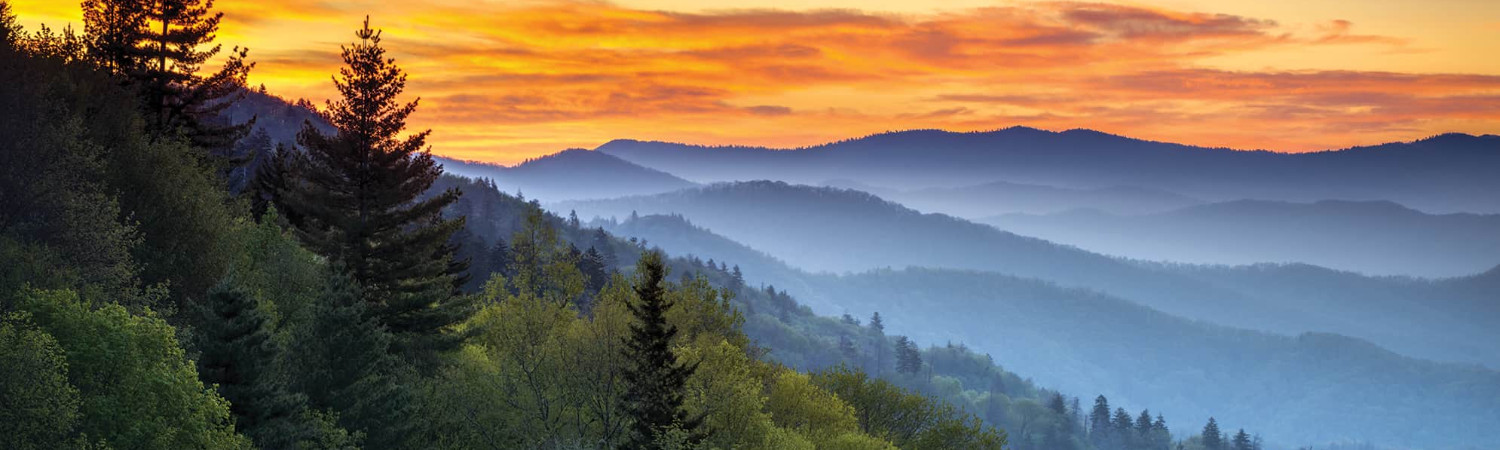
Standing at an elevation of 3,629 feet, English Mountain likely draws its name from early settler James English. The ridgeline offers sweeping views of Douglas Lake, a TVA reservoir that transformed the French Broad River Valley. Its dense forest—a blend of pines and oaks—is layered with mountain laurel, blueberries, and huckleberries. In 2015, the mountain's historic legacy was officially recognized when the English Mountain Fire Tower was added to the National Register of Historic Places.
Early History and Settlement
- Native American Roots: Evidence of occupation on English Mountain dates back roughly 8,000 years. The Cherokee people frequently used the Great Indian War Trail, which passed nearby, until their forced removal in the 1830s.
- Pioneer Era: Permanent European settlement began in the late 1780s. The mountain is most likely named after James English, an early settler in the region.
- Founder Families: Historic records note that pioneers like Jacob Bird, Jacob Derrick, and the Fox brothers were among the first to establish roots here in 1783.
Civil War to the 20th Century
- Civil War Refuge: Due to its rugged terrain and remote caves, English Mountain served as a critical hideout for draft dodgers and Union sympathizers during the Civil War.
- Historic Milestones:
- Blowing Cave Mill: Built in 1870 at the mountain's base to grind corn and flour, this mill remains a rare piece of local agricultural history.
- Glen Alpine Resort: From the 1880s until 1902, the south slope hosted this resort, which was famous for bottling mineral-rich "chalybeate" and sulfur waters.
Today
English Mountain is surrounded by unique local landmarks that highlight its rich natural and cultural heritage. At its peak, the historic English Mountain Fire Tower offers panoramic 360-degree views of the French Broad River Valley and Douglas Lake. Near the mountain’s base, visitors can explore Forbidden Caverns, a massive underground cave system once used by the Cherokee and moonshiners alike, or stop for a photo at the 1870 Blowing Cave Mill. For those looking for outdoor recreation, the nearby Douglas Lake provides over 30,000 acres for boating and world-class bass fishing, all set against the backdrop of the Great Smoky Mountains.
| File | Uploaded | |
|---|---|---|